Reserved Seating: The Untouchable Chair That's Been Expecting You Since 2011

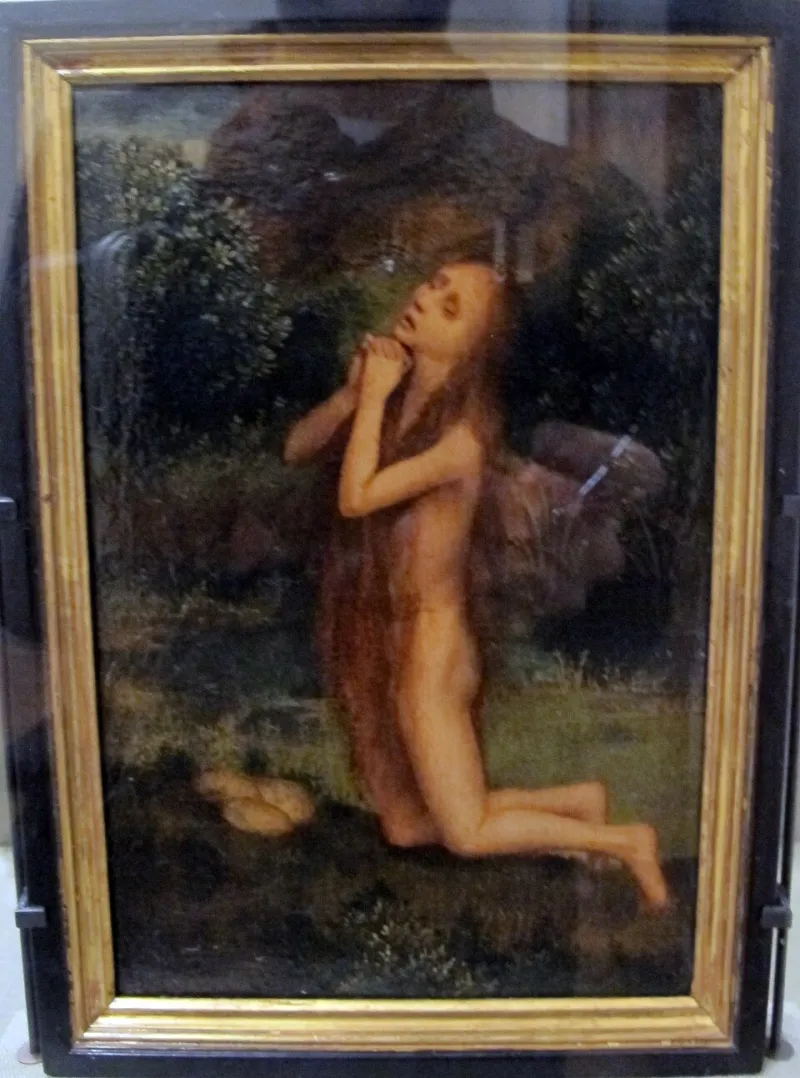
Photo: Huang Shaoqiang, Public domain, via Wikimedia Commons
There is, at the far end of our front room, a chair. It is a perfectly good chair. It has cushioning, structural integrity, and a view of the telly that can only be described as premium. And in eleven years of residence at Household No. 6, it has been sat upon by human beings for a combined total of approximately forty minutes.
We call it 'the good chair.' Guests call it 'that one.' Nobody calls it by its actual manufacturer's name, because that would imply it belongs to the world of ordinary furniture, which it does not.
The Archaeology of a Sacred Object
I began my field study, as all serious researchers do, by asking my other half why nobody sits there. The answer came back instantly, without hesitation, as though rehearsed: "Because it's for visitors."
Which visitors? Unclear. When did they last visit? 2011, possibly — a cousin from Solihull, though the records are disputed. What I do know is that the chair has been ceremonially prepared for company for over a decade: a folded throw blanket placed with military precision, a cushion plumped to specification, and — for reasons lost to history — a single copy of the Radio Times from an unspecified year.
The chair is not furniture. It is a shrine.
The Hierarchy of the Front Room
Seating in a British household is not assigned; it is earned, through years of quiet territorial warfare. At Household No. 6, the pecking order is as follows:
- The Prime Position — the corner seat with armrest on both sides and the good lamp within reach. Occupied by whoever got there first after 7pm. Contested nightly.
- The Middle Sofa — acceptable, but you'll be the one everyone's feet migrate towards.
- The Wobbly Pouffe — technically seating, morally a test of balance.
- The Floor — for teenagers and dogs, in that order of complaint.
- The Good Chair — see above. Forbidden. Cursed. Their chair.
I once sat in the good chair for an entire episode of Bake Off as an experiment. The atmosphere in the room changed the way it does when someone puts their elbows on the table at a posh restaurant. No words were spoken. But at the ad break, my eldest looked at me the way one looks at a person who has parked across two spaces at Waitrose.
I did not sit there again. I am not proud. I am, however, at peace.
The One Time an Outsider Broke the Seal
Then came The Incident. A plumber — a perfectly pleasant man named Darren — was waiting on a part and sat down in the good chair while he waited. My mother-in-law, visiting at the time, made a noise like a kettle reaching temperature.
Darren, bless him, knew not what he had done. He sat comfortably. He crossed his legs. He complimented the cushion. And for one glorious afternoon, the spell was broken — a stranger had claimed the untouchable seat and nothing terrible happened.
Within four minutes of him leaving, the cushion was plumped, the throw refolded, and the chair returned to its state of ceremonial vacancy. But we had all seen something. We had all learned something.
In Defence of the Empty Chair
Here's my confession, as the household's chief investigator: I've grown fond of it. In a home where every surface collects Lego, mugs, and unsorted post, the good chair is the one place that stays ready. It's optimism, upholstered. It says we are the sort of household that has people round, even when the evidence suggests otherwise.
So the chair stays. The throw stays. The ancient Radio Times stays. And should you ever visit Household No. 6, know that the best seat in the house has been kept for you.
Just don't be surprised if we all stare when you sit in it.