The Carrier Bag Reserve: A Full Census of the Under-Sink Stockpile (and Why None of It Can Go)
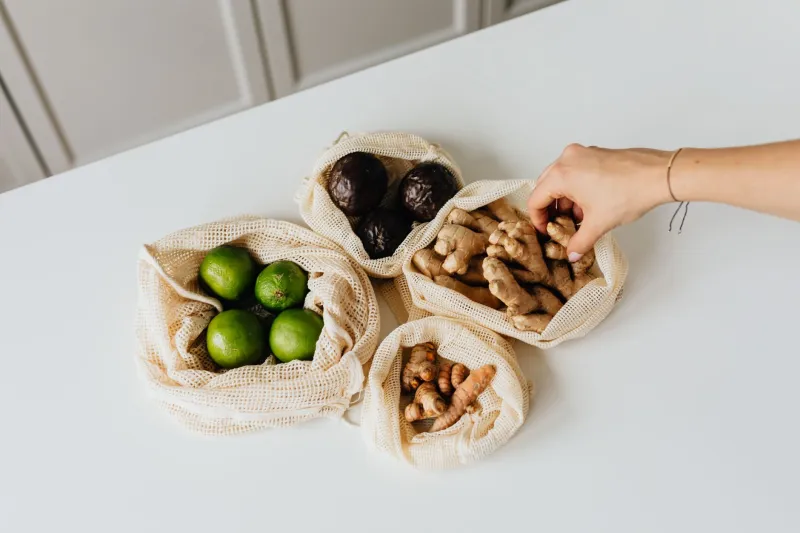
At 07:42 on a damp Tuesday in November 2026, I removed the final bottle of bleach from the cupboard under the sink and confronted what can only be described as a thriving textile ecosystem. It rustled. It bulged. It had somehow developed a hierarchy. This was no longer a cupboard. It was a carrier bag reserve, and I had been avoiding its management for approximately four years.
The Census Begins (Badly)
I had prepared for this. Clipboard: yes. Torch: yes. Kitchen scales: yes, though I am not sure why. A cup of tea: yes, though it went cold during the structural survey. The cat supervised from the doorway with the expression of a mid-level manager who has already decided the project will fail.
The brief was simple: count every reusable carrier bag in the under-sink stockpile, classify it, and make a calm, evidence-based decision about its future. The reality was that I pulled out one bag and three more came with it, like a magician's handkerchief routine gone feral. By 08:15 I had extracted forty-seven bags. Forty-seven. I counted twice because I did not believe myself, and then a third time because the second count produced forty-eight and I needed to establish which bag had been hiding behind the dishwasher tablets.
A Modest Taxonomy of the Under-Sink Carrier
The Supermarket Standard
These are the bag-for-life stalwarts: Tesco, Sainsbury's, Asda, Morrisons. Most are structurally sound. Several have handles that have been stretched into permanent loops by the weight of a weekly shop and one regrettable watermelon. They are the backbone of the reserve. Nobody loves them, but nobody can argue with them. They are the domestic equivalent of a reliable colleague who never books a meeting before 9am.
The Premium Relic
Waitrose and M&S bags occupy a different tier. They are the ones you instinctively reach for when carrying something to a neighbour's house, as if the bag itself will communicate good manners. One Waitrose bag has a handle that still stands upright. I found this disproportionately impressive. It has been in service since roughly the time I last owned a working iron.
The Festival Tote
I recovered a canvas tote from a music festival in 2018. It is beige, faintly stained, and carries the sort of sentimental weight that makes rational decluttering impossible. I have not used it since 2019. I will not use it again until at least 2031. It stays. Obviously it stays. You cannot put a price on a bag that once held a rain poncho and a packet of oatcakes in a field in Somerset.
The Charity Shop Chameleon
These are the branded bags from events, charity shops, and one estate agent who clearly over-ordered in a previous decade. They are flimsy, oddly shaped, and often feature a slogan that has aged poorly. One reads 'Making a Difference Together' and has a tear down the side. It is making a difference to the structural integrity of the cupboard, I suppose.
The Collapsible Enigma
I found three bags that fold into their own tiny pouches. This is a brilliant idea in theory and a personal humiliation in practice, because I have never once managed to fold one back into its pouch without swearing. They currently live loose and unfolded, which rather defeats the object.
The Decluttering Attempt (A Cautionary Tale)
Emboldened by the census, I announced a three-pile system: Keep, Donate, and Bin. This is the sort of plan that sounds decisive until you are actually holding a bag and thinking, 'But what if I need this exact size for returning an online order?'
The Donate pile lasted eleven minutes. The Bin pile was immediately undermined by the discovery that one bag could be used to line a small bathroom bin, which is a job I had not previously known needed doing but now considered essential. The Keep pile expanded, merged with the other two, and was renamed 'Actually'. By lunchtime, the cupboard contained forty-seven bags again, plus one new one I had brought back from the shop because I forgot the list. The system had failed. The system had, in fact, never stood a chance.
The Verdict: Infrastructure, Not Clutter
Here is the thing about the bag of bags. It is easy to mock. It is easy to declare it a symbol of domestic chaos and a failure of modern life. But a bag of bags is not clutter. It is infrastructure. It is a low-cost, high-redundancy logistics network operating out of a cupboard under the sink. It is the reason you can hand over a casserole dish to a neighbour, transport a damp swimming kit, or return a pair of shoes without buying a new bag and feeling personally responsible for the decline of the oceans.
So the census stands at forty-seven. The recommendation is that no new bags enter the reserve until 2027, unless they are genuinely exceptional, which the collapsible ones are not. The cupboard door still barely closes. The cat has lost interest. And somewhere in the middle of the pile, a canvas tote from 2018 is quietly waiting for a festival that may never come. It stays. They all stay. Just in case.