Dispatches From the Thermostat Front: A Peace Treaty in Several Difficult Rounds
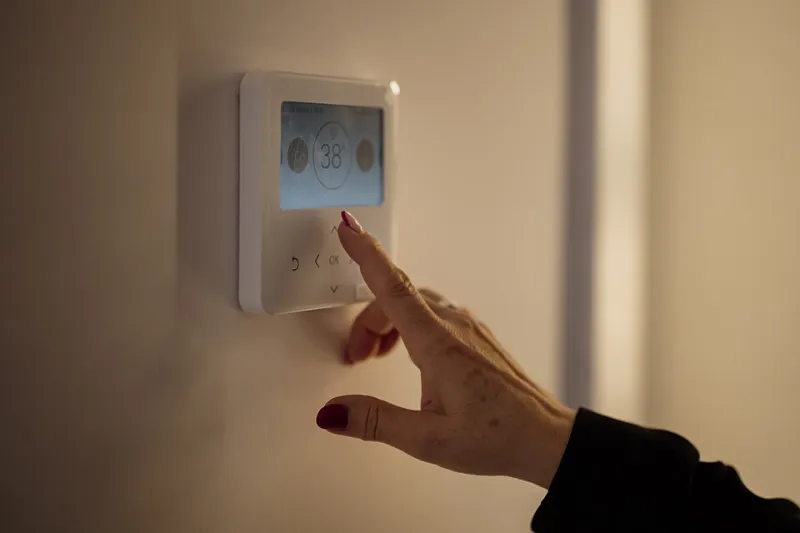
Photo: Shixart1985, CC BY 2.0, via Wikimedia Commons
Filed from the negotiating table (kitchen table, third chair from the left), Household No. 6.
Let the record show that the conflict began, as it does every year, on an ordinary Tuesday in late September. One party — identity protected, but it was me — touched the thermostat. The heating stirred. And before the first radiator had even warmed, the countermeasures began.
What follows is my official account of the Cold Season: the annual British standoff over when the heating goes on, conducted in every home from Aberdeen to Aberystwyth with the same quiet, simmering intensity.
Opening Positions
Every negotiation begins with entrenched positions, and ours were textbook. My stance: the temperature had dropped, the mornings were dark, and a civilised nation does not make its people brush their teeth in fingerless gloves. The opposing delegation — my partner, plus a teenage daughter whose bedroom window is open in January as a matter of principle — argued that October is 'still autumn', that jumpers exist, and that the bills from last winter are 'seared into memory'.
Both sides claimed to speak for the household. Neither did. The actual power broker in this conflict, as ever, was the cat, who simply relocated to whichever room best served her interests and let us fight over the terms.
The Escalation Ladder
Cold wars run on proportionate response, and ours followed a familiar ladder:
- Level one: suggestive sighing near the thermostat.
- Level two: the phrase "I'm not bothered, I'll just put a coat on indoors."
- Level three: unauthorised hot water bottle deployment — a clear sanctions regime, as kettles were boiled and electricity consumed without approval.
- Level four: the strategic closing of doors, an act of aggression that cuts off supply lines (warm air) to entire wings of the house.
- Level five: the draught excluder. The nuclear option. A stuffed sausage of fabric deployed at the bottom of the stairs, dividing the home into two separate zones with two separate climates and, frankly, two separate futures.
We reached level four by Thursday. The excluder came out by the weekend. Historians will debate whether it could have been avoided.
The First-Riser Doctrine
Here is the uncomfortable truth at the heart of every household heating dispute: the thermostat is not controlled by the loudest voice or the fairest argument. It is controlled by whoever gets up first.
This is the First-Riser Doctrine, and it is absolute. The person who shuffles down to the kitchen at 6:40am holds, for that morning, total executive power over the nation's warmth. They can put the heating on. They can not put the heating on. They can open the back door 'for a bit of air' and plunge the entire ground floor into an economic crisis.
Currently, I am the first riser, which makes me — briefly, daily, gloriously — the most powerful person in this house. It is the only authority I hold, and I exercise it with the restraint of a man who has waited all year for it. Which is to say: the heating goes on, and there is nothing anyone can do about it until they surface at seven.
The Treaty Terms
By mid-October, both sides were exhausted and the boiler had begun making a noise that suggested its own opinion on the matter. We came to the table. The accord, since ratified over a takeaway, reads as follows:
- The heating may go on when the outside temperature drops below 14°C, as verified by a weather app both parties accept.
- The thermostat shall be set to 19°C — a compromise figure that satisfies nobody and was therefore obviously correct.
- The teenage bedroom is designated a demilitarised zone; its window arrangements are her own affair, and her own frostbite.
- Hot water bottles are legal for all parties, without stigma.
- The draught excluder shall be returned to the cupboard, there to wait, patiently, for next year's conflict.
A Modest Proposal
I'll close with this: we are a nation that conquered the seas, invented the jet engine, and gave the world the microwave meal — and yet we remain governed, every autumn, by a small white plastic dial and our feelings about it. Perhaps that's the point. The thermostat row isn't really about warmth. It's about comfort, money, and who gets to say what home feels like.
The treaty holds, for now. The radiators tick away. The cat has chosen the warm spot and, in doing so, achieved what diplomacy could not.
Roll on spring, when we can all argue about whose turn it is to mow the lawn.